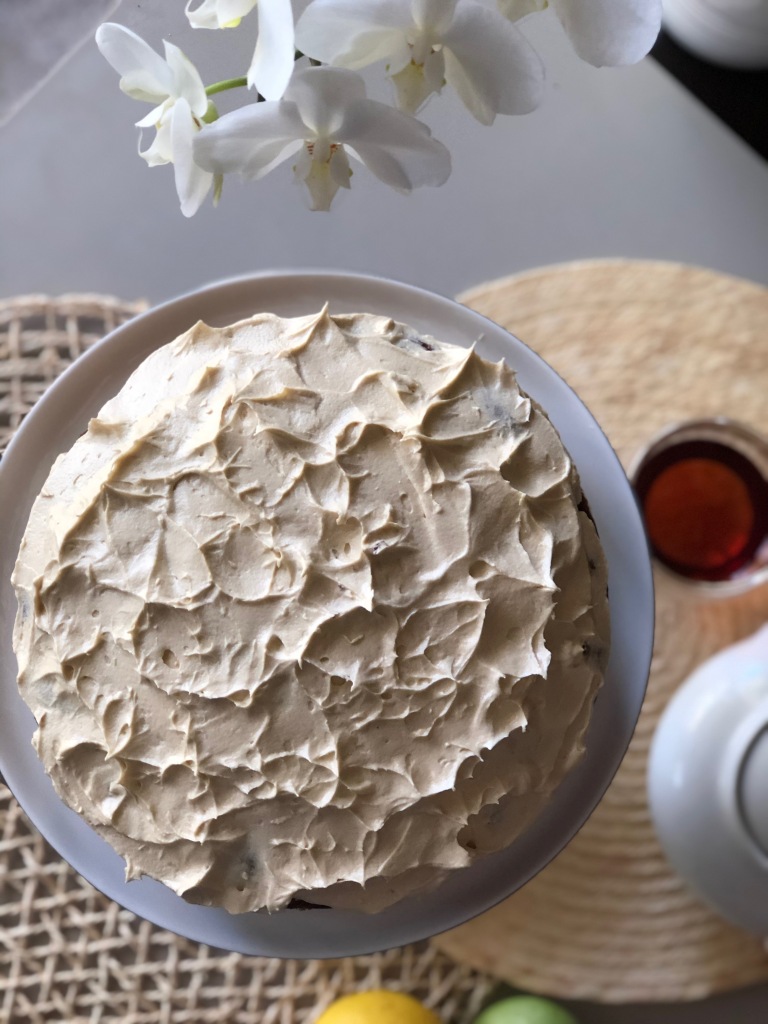
Recently we made a birthday cake for our dear friend Alex, who loves anything with apples and sultanas. A little flick through one of our favourite cookbooks, Sweet by Yotam Ottolenghi and Helen Goh, provided us with this wonderful recipe. It nailed the brief (Alex loved it) but to be honest the real star of this cake is that maple icing. It’s dangerously good. Don’t make extra or you will end up smothering it on everything from crumpets to cupcakes. Best of all, it’s a quite simple cake to make. If you’re not a regular baker, this is a good recipe to try something new!
Apple and Olive Oil Cake
- 100g sultanas
- 275ml water
- 350g plain flour
- ½ tsp ground cinnamon
- 1 ½ tsp bicarbonate of soda
- 1 ½ tsp baking powder
- ½ tsp salt
- 800g Granny Smith apples
- 200g caster sugar
- 150ml olive oil
- 2 large eggs, lightly beaten
- 2 egg whites
- scraped seeds of ½ vanilla pod
- finely grated zest of 1 lemon
Maple Icing
- 100g unsalted butter, at room temperature, plus extra for greasing
- 100g soft light brown sugar
- 85g maple syrup
- 220g cream cheese
- Preheat the oven to 180°C
- Grease a 23cm round cake tin and line the base and sides with baking paper, ensuring the paper rises a few centimeters above the sides of the tin.
- Add the sultanas and 200ml of water to a small saucepan. Bring to a simmer and reduce the heat to low. Set aside once all the water has been absorbed.
- Sift the flour, cinnamon, bicarbonate of soda, baking powder and salt together into a large bowl.
- Peel and core the apples, then dice the fruit into 2-3cm chunks and set aside in a separate bowl.
- Place the sugar, olive oil, whole eggs, vanilla seeds and lemon zest in a bowl and beat with an electric mixer on a medium speed for 6-7 minutes, or until the mixture is pale and thick and has doubled in size.
- Use a spatula to fold in the diced apple, sultanas and the remaining 75ml of water. Add the sifted dry ingredients and fold in as well.
- Place the egg whites in a clean bowl and whisk until soft peaks form. Gently but thoroughly fold the egg whites through the cake mix, then scrape the batter into the tin. Level the top of the mixture with a spatula and bake for 60 minutes, or until a skewer inserted into the middle of the cake comes out clean. Set aside to cool in the tin.
- For the icing, place the butter, sugar and maple syrup in a bowl and beat with an electric mixer until pale and airy. Add the cream cheese a little at a time and continue to beat until smooth and thick.
- When the cake has completely cooled, use a large serrated knife to slice in half horizontally. Spread half the icing over the bottom layer of the cake and place the other layer on top. Spread the remaining icing over the top of the cake and using a spoon or palette knife, lightly flick the icing to create little icing spikes (or you could just leave it flat and smooth if you prefer). Leave the sides of the cake bare so the icing in the center can be seen.
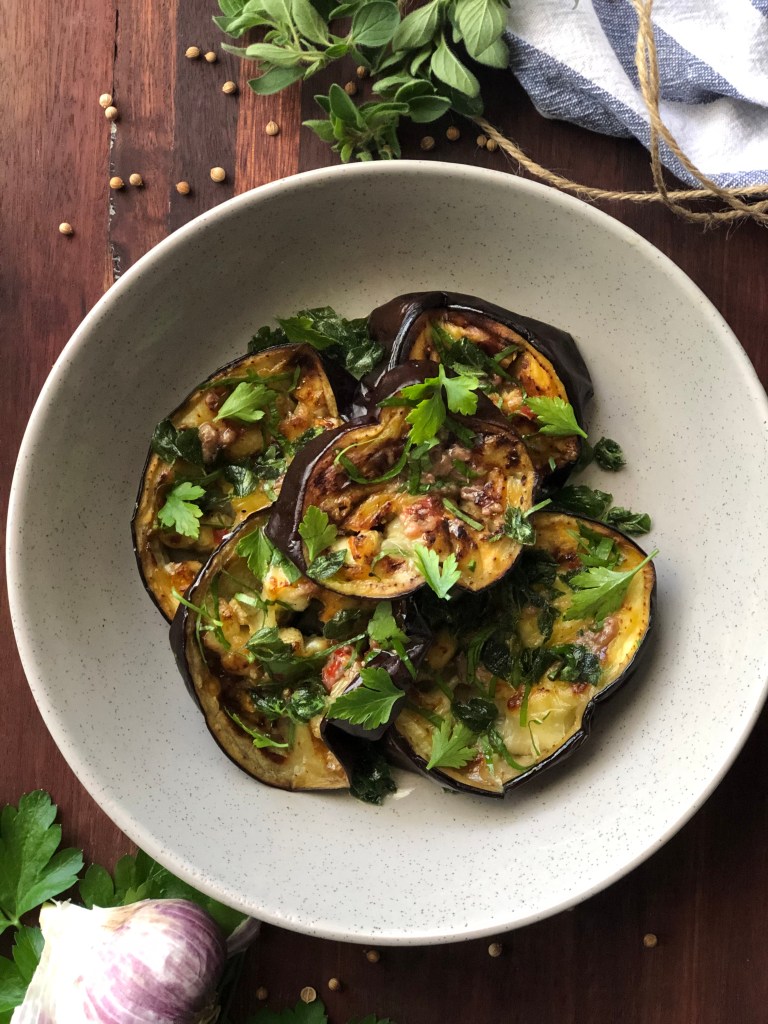
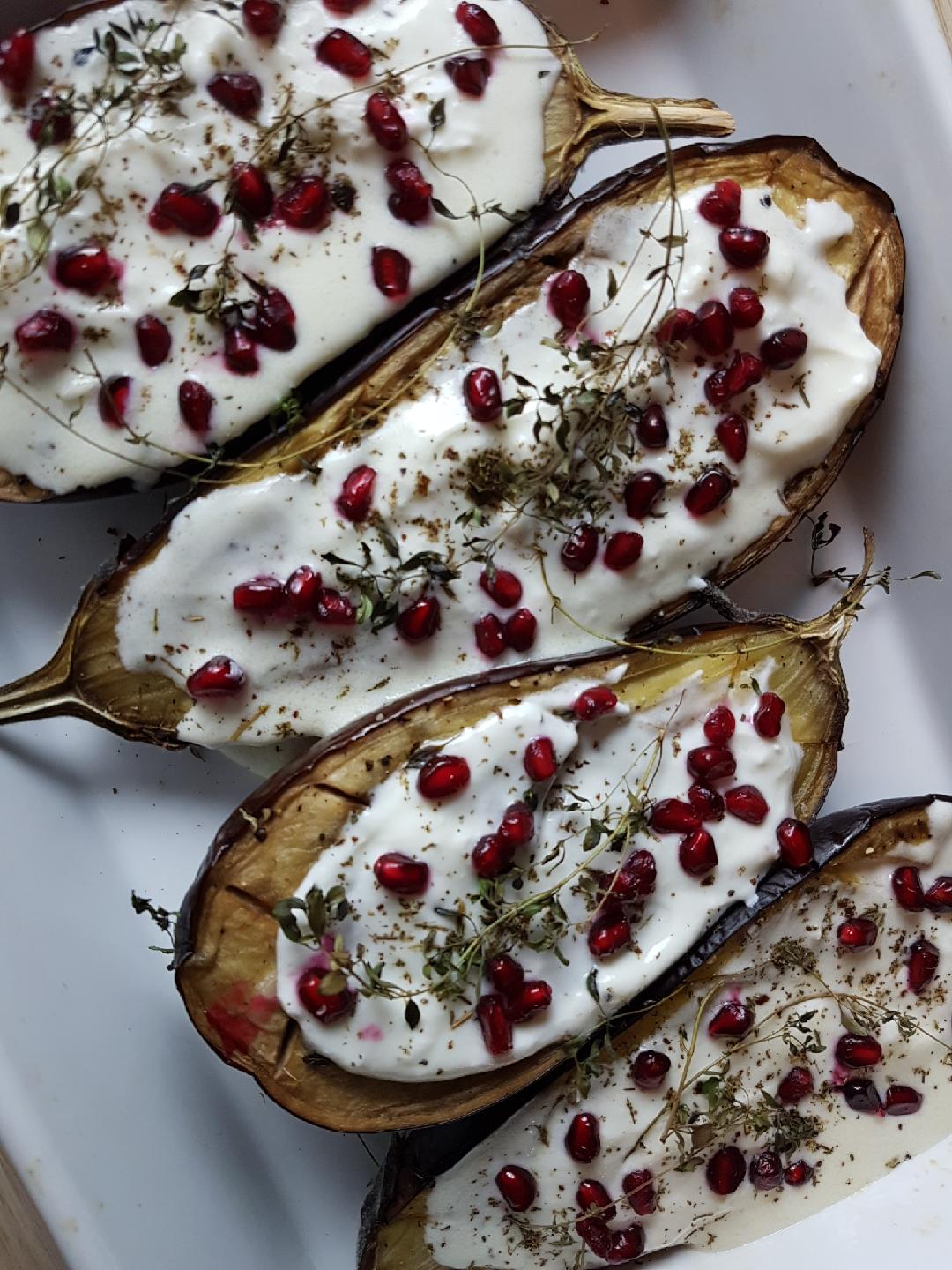 If you’re one of the few people who is yet to discover Yotam Ottolenghi’s Plenty, you probably think vegetarian food is bland or boring. This book was a revelation for us when we bought a copy many years ago, and we’ve been fans of Ottolenghi ever since. These recipes are deceptive in their simplicity, in that Ottolenghi allows each featured ingredient to shine, but with a subtle complexity of flavor that enlivens the senses and encourages you to reach for a second helping. Try any of these recipes and you won’t be missing the meat.
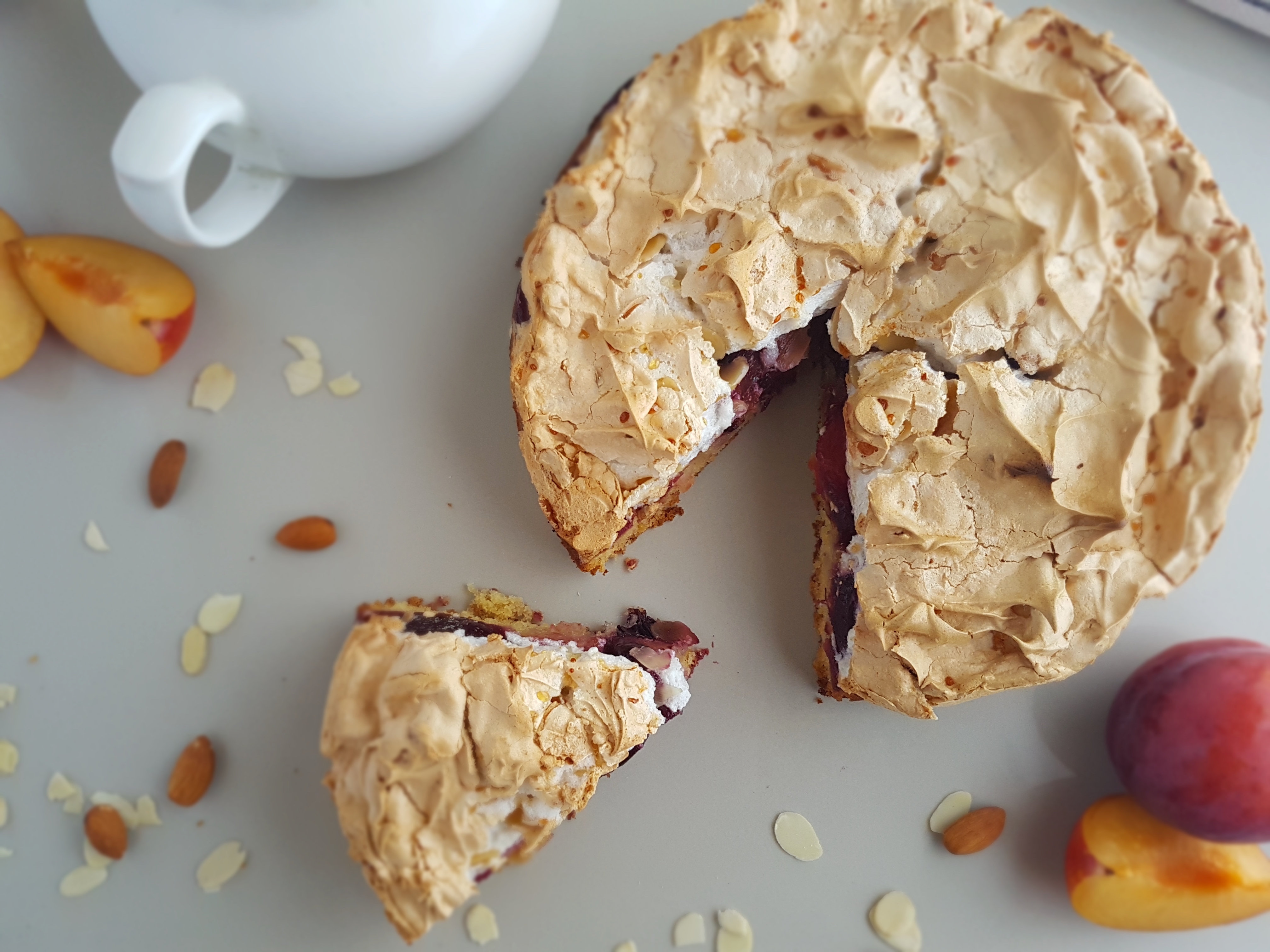 Once again we’re adapting a recipe from Ottolenghi and Goh’s Sweet. They in turn have been inspired by the traditional Louise cake from New Zealand, which is a slice with a cake layer topped with raspberry jam and a coconut meringue. Ottolenghi and Goh’s version uses fresh fruit; you could use any stone fruit which is in season, just be sure it’s ripe but not too soft. We love the addition of flaked almonds to the meringue, as it adds a delicious crunch to the fluffy meringue and syrupy fruit. The cake is fairly rich so you could bake it in a square tin and cut into small squares to serve, or bake in a round tin as we did for a more decadent serving.
 This week we continued to draw inspiration from Yotam Ottolenghi & Ramael Scully’s Nopi cookbook. As always, we were inspired by the flavours these chefs use, and this recipe contained a new technique for us, smoking the corn. This was surprisingly easy, there was no fancy equipment required. Simply place the corn cobs in a colander or steaming basket (we used a bamboo steaming basket) inside a large pot sealed with a lid. The smoke comes from burning the husks of the corn in the base of the pot. If you struggle to find corn with the husks still attached, you could use rice instead. Just line the base of the pan with aluminium foil and spread 200g of uncooked rice across the base. If you do this, the cooking time will need to be reduced from 5 minutes to 3 minutes. The cooking times for smoking need to be precise: cook for too long and the smoky flavour can become overpowering.
 Recipe Road